


Oropouche: Is the virus a new microcephaly threat to the world's population?

The disease is transmitted by mosquitoes and presents symptoms similar to dengue fever. Brazil was the first country to record deaths related to this condition.
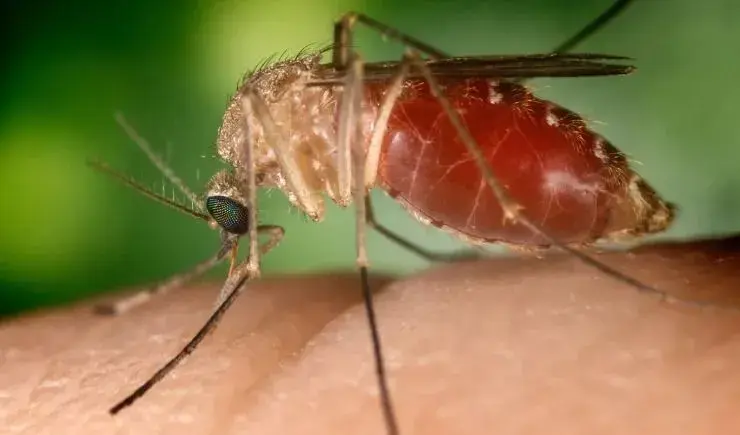
Transmission from mother to child in Brazil was confirmed after fetal death - Photo Reproduction / Conselho Federal de Farmácia
In recent months, Brazil has faced growing concern about the possibility of a new outbreak of microcephaly associated with the Oropouche virus. The virus, transmitted mainly by mosquitoes, is known to cause symptoms similar to those of other arboviruses, such as fever and body aches, but its potential impact on public health may be more severe than previously thought. Almost a decade after a significant increase in cases of microcephaly in Brazil due to the Zika virus, experts are concerned that oropouche fever could lead to a new increase in cases of malformations in babies.
The European Center for Disease Prevention and Control (ECDC) issued an alert last Friday (9) about oropouche fever, which reached Europe and Italy after its initial outbreak in South America. The document published by ECDC emphasizes the importance of residents of risk areas adopting individual protection measures. In Latin America, cases of the disease surpassed eight thousand, with Brazil leading in the number of infected people. There are also occurrences in Bolivia, Colombia, Peru and Cuba. Between June and July, 19 cases were registered in Europe, 12 in Spain, five in Italy and two in Germany.
What is the Oropouche Virus?
Oropouche virus is an arbovirus of the genus Orthobunyavirus Oropoucheense (Orov). Its original name comes from the community of Vega de Oropouche, in Panama, Central America, where it was isolated for the first time in the 1950s. In Brazil, Oropouche fever was identified for the first time in 1960, from blood samples from an animal -sloth captured during the construction of the Belém-Brasília highway, in the Amazon region. Since then, other cases have been recorded, especially in the northern region of the country. Although the virus has been known for several decades, its potential to cause significant outbreaks has raised awareness. new attention due to recent studies and cases.
How does Oropouche transmit?
The main form of contagion of Oropouche fever in humans is through the bite of the Culicoides paraensis mosquito, known as maruim or sandfly. However, transmission can also occur through direct contact with secretions from infected people. The proliferation of these mosquitoes in urban and rural areas increases the risk of transmission, especially in places with poor sanitation infrastructure. Like Aedes aegypti, Culicoides paraensis reproduces in still water, which causes cases I will tend to increase during rainy periods and high temperatures. In addition to humans, wild animals, such as monkeys and birds, can also be infected by the virus.
Impact on Microcephaly
Microcephaly, a condition in which a baby's brain does not develop properly, resulting in an abnormally small head, was widely linked to the Zika virus during the 2015-2016 outbreak. With growing concern about Oropouche, the question arises: could this virus also be a contributing factor to new cases of microcephaly?
Initial research indicates that Oropouche may have neurological effects similar to those of Zika, although studies on the direct relationship between the Oropouche virus and microcephaly are still in the preliminary stages. Experts stress that the lack of conclusive data should not underestimate the need for rigorous monitoring and ongoing research. The suspicion of vertical transmission (from mother to child) of the oropouche virus led the Pan American Health Organization (PAHO) to issue an epidemiological alert, recommending that Brazil intensify surveillance of the disease.
The country accounts for 90.9% of the 8,010 cases diagnosed on the continent. This year, notifications increased by 776% compared to 2023. While last year 831 cases were registered, in 2024 7,200 have already been confirmed, according to the Ministry of Health. The oropouche virus was identified in patients from 20 states, with two confirmed deaths and one still under investigation.
Last Thursday (8), the Ministry of Health confirmed the case of a baby born in Acre with congenital anomalies associated with vertical transmission of the oropouche virus (from mother to child). The baby died after 47 days of life. Postpartum exams revealed that the 33-year-old mother contracted the oropouche virus; she had presented symptoms of the disease during the second month of pregnancy. Furthermore, the Ministry of Health confirmed one case of miscarriage caused by the virus infection and is investigating eight other suspected malformations and fetal deaths among babies whose mothers were diagnosed with the disease.
Advances in studies
The uncertainties surrounding the oropouche virus reinforce experts' warning about the risks of its spread. Experts highlight that fatal cases and neurological disorders in children are new and worrying. It is essential to investigate whether the virus may have undergone mutations that make it more virulent or whether it can be transmitted by vectors other than the sandfly, such as Aedes aegypti. Unlike the Zika virus, transmitted by the mosquito common in cities, oropouche is transmitted by the sandfly, which has sylvan habits. However, deforestation and global warming can change the behavior of this vector, increasing contact between the insect and humans.


