
Get ready: Perseid meteor shower reaches peak this Sunday (11); See how to observe the phenomenon

The Perseids, also called the Tears of Saint Lawrence, are an annual phenomenon that occurs between July and the end of August. During this period, the Earth is crossed by the trail of debris left by comet Swift-Tuttle.
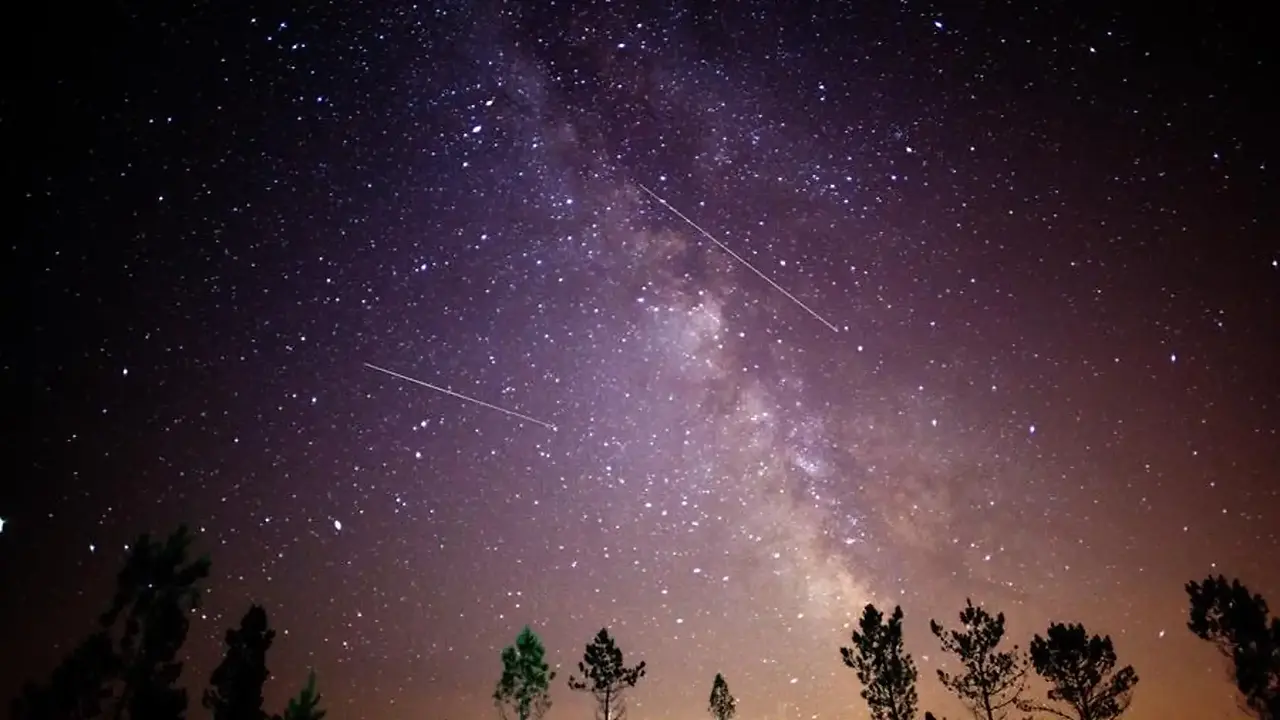
This year it will be possible to observe the phenomenon more clearly, even with the moon being 50% illuminated - Photo Reproduction / EFE / Horse
The sky will become the setting for one of the most anticipated astronomical events of the year: the Perseid meteor shower. Visible since July 17th, this phenomenon will reach its peak between the nights of next Sunday (11) and Tuesday (13), with excellent chances of observation, especially in the states of the Northern Region of Brazil. Known for its intensity and beauty, the Perseids promise to take your breath away for astronomy lovers and curious people who want to observe this natural phenomenon. During this period, it will be possible to see several meteors per hour, making this shower particularly impressive. In other regions of Brazil, the intensity will be lower, as reported by the National Observatory (ON).
What are the Perseids?
The Perseids, also called the Tears of Saint Lawrence due to their occurrence close to the saint's day, on August 10, are one of the most impressive meteor showers of the year. These meteors are actually small particles of dust and rock from comets or asteroids that orbit the Sun. When these particles enter Earth's atmosphere, they disintegrate, creating the bright streaks we see in the night sky.
These particles, called meteoroids, disperse along the comet's orbit. When the Earth passes through this cloud of debris on its trajectory around the Sun, the Perseid phenomenon occurs. When colliding with the Earth's atmosphere, meteoroids disintegrate, generating the meteors that we see as shooting stars. The origin of the Perseids dates back to Comet Swift-Tuttle, discovered in 1862. With 26 kilometers in diameter, this comet completes its orbit around the Sun approximately every 135 years.
In summary, the Perseid meteor shower occurs annually between July and the end of August, when Earth passes through the trail of debris left by Comet Swift-Tuttle. These small fragments of rock and ice enter the Earth's atmosphere at high speed, burning and creating bright trails in the sky, popularly known as shooting stars. This phenomenon is called the Perseids because the meteors appear to radiate from the constellation Perseus, from which they get their name.
When and How to Observe?
To observe the phenomenon, it is recommended to wait for nightfall and seek elevated locations, far from urban areas with light pollution. Furthermore, the climate needs to cooperate. According to Meteum, a weather and climate forecasting tool, clouds and rain are forecast for the north, center and Atlantic coast of the country. Therefore, the best chance of seeing the Perseids is in the southern region, where an area of high pressure is forecast. Among the capitals, Curitiba should offer the best conditions, with good chances also in Porto Alegre and Campo Grande. Check out the observation conditions for different cities in the country below:
Here are the observation conditions for some cities in the country:
São Paulo: Low visibility | Cloudy weather, 10°C-14°C
Rio de Janeiro: Low visibility | Cloudy weather, 18°C-20°C
Brasilia: Low visibility | Cloudy weather, 18°C-24°C
Curitiba: High visibility | Clear climate, 6°C-12°C
Porto Alegre: Average visibility | Partly cloudy weather, 8°C-12°C
Belo Horizonte: Low visibility | Cloudy weather, 16°C-22°C
Campinas: Low visibility | Cloudy weather, 11°C-17°C
Big Field: Average visibility | Partly cloudy weather, 12°C-20°C
Goiânia: Low visibility | Cloudy weather, 19°C-25°C
Salvador: Average visibility | Partly cloudy weather, 23°C-25°C
Reef: Low visibility | Rainy weather, 24°C-26°C
Strength: Low visibility | Cloudy/rainy weather, 26°C-28°C
Saint Louis: Low visibility | Cloudy/rainy weather, 27°C-29°C
Bethlehem: Low visibility | Cloudy/rainy weather, 25°C-29°C
Manaus: Low visibility | Rainy weather, 25°C-27°C
During this period, observers may see up to 100 meteors per hour in places with little or no light pollution. To get a better view of the show, here are some tips:
Find a dark place: Getting away from urban lights is essential. Rural locations or countryside areas offer better visibility conditions.
Look at the sky before dawn: Although the meteor shower may be visible at night, the best time to observe it is in the pre-dawn hours, when the constellation Perseus is highest in the sky.
Avoid using telescopes or binoculars: These devices limit the field of vision. It is best to observe with the naked eye so as not to miss any details.
Settle in with patience: Looking at the sky for a long period of time allows your eyes to adjust to the darkness, increasing your chances of seeing meteors.
By What Is It Again and Special?
In 2024, conditions for observing the Perseids are ideal. The Moon will be in its waning phase, which means that its light will not interfere with the visibility of meteors. Furthermore, weather conditions permitting clear skies will allow an even clearer view, meaning this year, even with the moon illuminated at 50% during its peak, it will be possible to observe meteors from midnight until dawn.
Get Ready for the Show
If you are an astronomy enthusiast or simply someone looking for a unique experience, this is an event you won't want to miss. So, grab a comfortable chair, prepare a hot drink and enjoy the magic of the cosmos on an unforgettable evening. The Perseids are coming, and the show is about to begin!


